

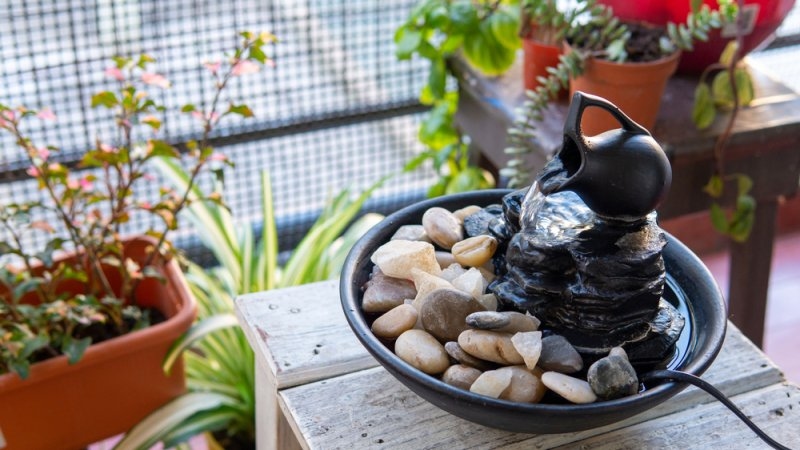
Fountains get wet all the time; you have to clean them, they collect mineral gunk, and they often sit near things like wood floors and furniture. If you choose the wrong material, you’re in for stains, cracks, or a nightmare to clean.
The best material is the one that matches your room, water type, fountain size, and how much effort you’re willing to put into cleaning. Expensive doesn’t always mean better or tougher. In this blog, we’re looking at how different waterproof indoor fountain materials hold up—how durable, safe, good-looking, and practical they really are.
Durable fountain materials should tolerate repeated exposure to water without becoming brittle, stained, or structurally weak. Natural stone, quality resin, sealed ceramic, and properly finished stainless steel generally perform well. Cheap untreated materials can look acceptable initially, then deteriorate once moisture becomes constant.
A small tabletop fountain has different demands from a large floor fountain. That matters.
Fountain material durability depends on more than the material itself. How thick the material is, how it’s treated, construction quality, and even exposure to sunlight or cleaning chemicals all play a part in how long your indoor fountain will last. If you pick a thick stone basin, you’ll probably get more years out of it—thin or poorly sealed stone, on the other hand, tends to soak up water and show stains over time.
The same applies to resin and ceramic. Good manufacturing improves waterproof indoor fountain materials considerably.
Don't Miss: Indoor Water Wall Surface Options for Modern Interiors
Different waterproof indoor fountain materials solve different problems, so comparing them side by side makes the choice easier.
| Material | Durability | Maintenance | Weight | Best Use |
|---|---|---|---|---|
| Natural stone | Very high | Moderate | Heavy | Large decorative fountains |
| Resin | High | Low | Light | Tabletop and portable fountains |
| Ceramic | Moderate to high | Moderate | Medium | Decorative indoor spaces |
| Stainless steel | Very high | Low | Medium | Modern interiors |
| Glass | Moderate | High | Medium | Contemporary accent fountains |
Natural stone wins when permanence matters. Resin wins when moving the fountain matters. Stainless steel is strong, but its finish has to be maintained.
The best material for water features changes with the room. A stone fountain looks impressive in a roomy entryway, but if you only have space on a small office desk, resin is a smarter pick. Ceramic works well in living rooms where looks matter more than how easy it is to move around.
If your home’s humid, you need materials that actually resist water—think sealed surfaces and as few cracks or open joints as possible. Stainless steel is also tough, but only if you keep the finish in good shape. More seams mean more places for moisture to collect.
Water-resistant fountain materials are especially useful in apartments, bedrooms, and workspaces where accidental splashing is harder to ignore. Resin is practical because it is lightweight and usually easier to reposition. Ceramic is attractive but should be checked for chips before purchase.
Water-resistant does not mean completely maintenance-free. Wipe surrounding surfaces regularly.
Indoor fountain material safety matters because the fountain is operating close to people, furniture, electrical outlets, and flooring. A material can be waterproof yet still be unsuitable if its coating flakes, its edges are sharp, or its construction allows water to reach electrical components.
Indoor fountain material safety improves when finishes are stable, non-flaking, and designed for repeated moisture exposure. Avoid damaged coatings, exposed rust, and cracked basins. Any decorative paint should remain intact rather than peeling into the water reservoir.
Also check the pump compartment. The material is only one part of the safety equation.
Water-resistant fountain materials should tolerate the cleaning method recommended by the manufacturer. Harsh cleaners can damage finishes even when the underlying material is strong. Mineral buildup should usually be removed before it becomes thick.
For example, stainless steel may handle moisture extremely well but still show water spots. Resin hides some marks better.
Suggested Reading: How to Use Indoor Fountain Materials for Biophilic Design?
The most useful waterproof indoor fountain materials are those that match both the visual style and the practical demands of the room. A dramatic stone fountain may be unnecessary for a small bedroom. A lightweight resin piece could work better there.
Fountain material durability becomes more important as the fountain gets larger. Heavy stone or ceramic needs a stable base because movement can create cracks, scratches, or floor damage. Large fountains should not be selected only from photographs.
Measure the floor area first. Then check the filled weight.
The best material for water features with a natural appearance is often stone, but resin can imitate stone surprisingly well while reducing weight. Slate, granite, and some limestone styles provide texture that fits earthy interiors.
Yet natural stone may need sealing. That small maintenance step is often overlooked.
For modern interiors, stainless steel, glass, and smooth resin usually work better than heavily textured stone. Their cleaner shapes suit minimalist rooms. It’s tempting to pick a fountain just because it looks good, but make sure the construction is sound too.
Even the most durable materials need some attention. Water leaves behind deposits, pumps grab hold of debris, and if you don’t clean things regularly, you’ll notice smells from stagnant water fast.
Don’t forget: Hard water creates white mineral streaks, especially on dark or glossy surfaces. It stands out more than you think.
You can cut down on this by using distilled or filtered water, though it’s wise to check what the manufacturer recommends. Clean the reservoir regularly. Small deposits become harder to remove when left for months.
Durable fountain materials are easier to keep attractive when small defects are handled early. A hairline crack, loose seal, or chipped edge should not be ignored. Continued water exposure can make a minor problem much larger.
For waterproof indoor fountain materials, replacement parts and seal compatibility also matter. A durable basin is less useful if the pump or fittings are difficult to replace.
Price does not always predict performance. The best material for water features depends on how long you expect to keep the fountain, where it will sit, and how much maintenance you tolerate.
A $50 to $100 resin tabletop fountain may offer better practical value than a heavier $200 decorative stone fountain if you frequently move it. Conversely, a permanent entryway installation may justify spending several hundred dollars on stone or premium metal.
So, don’t just think about what you pay up front.
Consider how it’ll hold up, look, and function in the long run. You want that sweet spot where appearance, quality, and your actual needs all line up. Resin often offers the strongest value for renters or people who rearrange rooms. Stone can justify its higher cost when weight and longevity are priorities.
The cheapest fountain is not necessarily the economical one if it needs frequent replacement.
Also Read: Limestone Fountains Bring Timeless Beauty to Decor
Your fountain shouldn’t turn into a hassle. Stone feels strong and substantial. Resin stays light and flexible and is easy to handle. Ceramic brings style for interiors that want a decorative touch. Stainless steel looks sleek and modern but can need more care. The most long-lasting waterproof material isn’t always the priciest option.
Pay attention to how the fountain’s built, if it’s sealed well, what it weighs, and how much cleaning it’ll need. Think about your actual room, not just the catalog photo. A good fountain should look great without taking over your cleaning schedule. That’s what you really want out of a durable fountain. So, pick what works with your space—not just what’s flashy online.
However, the humidity of a well-sized indoor fountain is not significantly different unless the room is very small. Even if it is mesh, it is still best to have adequate ventilation.
Not every fountain is aimed at providing constant running water. Read the instructions on the pump, and do not operate the pump if the water reservoir is emptying.
They can. If water splashes, leaks, or even condensation gets near outlets or electronics, you’ve got a problem. Keep fountains away from power strips and devices.
Make sure to regularly replace the water in the tank – do not just keep topping it up. Use the fountain type, the type of fountain water available, and the recommendations of the fountain manufacturer.
They can work in homes with pets, but it depends where you set them up. Make sure cords are tucked away, and don’t let pets tip the fountain or drink water with cleaning chemicals in it.
This content was created by AI